

Choosing the right packaging for your product can feel like a huge task, but it’s key to setting your brand apart and ensuring your product gets to customers in perfect condition.
The right packaging ensures your product is protected, enhances your brand, and appeals to your target market, all while balancing cost and sustainability.:
Now, let’s break down the essential factors to keep in mind when picking your product’s packaging.
1. What Are the Core Functions of Food Packaging?
Food packaging is about more than just looks. It's there to protect, inform, and even extend your product’s shelf life.
Food packaging protects, preserves, informs, and provides convenience—key to product quality and consumer experience.:
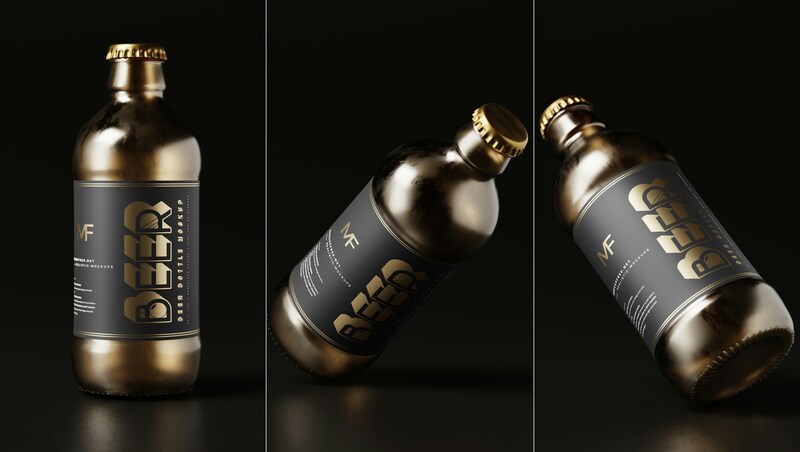
When you think of food packaging, you probably imagine those brightly-colored boxes on supermarket shelves. But beyond the eye-catching designs, packaging serves some crucial roles:
Protection: The first and most obvious function is to protect the food from contamination, damage, or spoilage. This could mean sealing in freshness or shielding the contents from light, air, or moisture.
Preservation: Certain packaging types, like vacuum-sealed bags1 or glass jars, help preserve food for longer. The materials used play a big role here, as they impact the product's ability to stay fresh.
Information Transmission: Ever notice how much information is packed onto food labels? From ingredients to nutritional facts, packaging is a way to communicate vital information to consumers.
Convenience: Think of how easy it is to carry and use products that are properly packaged. Convenience matters to customers, whether it’s a resealable bag of chips or a ready-to-serve jar of sauce.
Food packaging doesn’t stop at retail—there’s a whole range of packaging needs from bulk packaging for wholesale to specialized packaging for restaurants. This wide array of packaging ensures that your product remains as fresh as possible, all while looking appealing on the shelf.
2. How Do You Choose the Right Packaging Material?
The material you choose for packaging isn’t just about cost—it affects the durability, safety, and environmental impact of your product.
Choosing the right packaging material depends on your product’s needs and environmental goals—consider materials like glass, plastic, metal, or paper.:
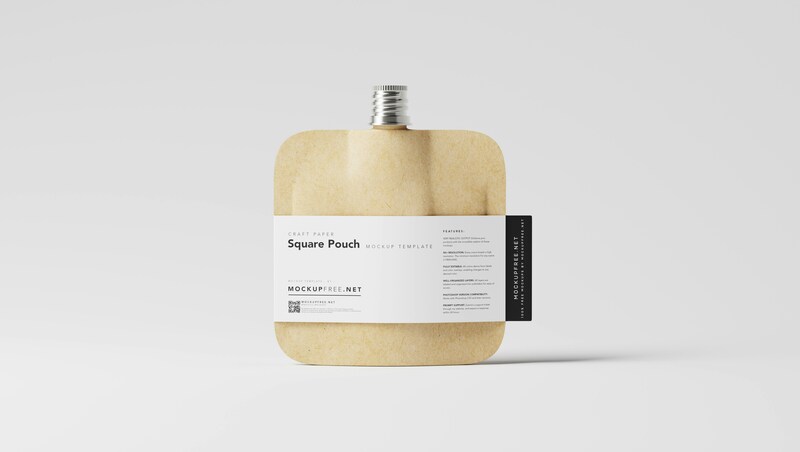
Selecting the right packaging material involves understanding your product’s needs, your brand values, and the intended customer experience. Here are some things to keep in mind:
| Material | Features | Best For | Considerations |
|---|---|---|---|
| Glass | Durable, recyclable, protects from light and contamination | Luxury beverages (e.g., wine, cocktail bitters) | Premium feel, but can be heavier and more expensive |
| Plastic | Lightweight, versatile, cost-effective | Sauces, snack foods | Environmental impact due to plastic waste concerns |
| Metal | Offers excellent protection, ideal for airtight sealing | Canned goods, products requiring sealed containers | Can be heavier, less eco-friendly than other materials |
| Paper | Biodegradable, sustainable, often used for dry products | Dry goods (e.g., cereal, pasta) | Great for eco-conscious brands, but not ideal for all items |
Choosing the best material requires balancing practical considerations (like shelf life or transport costs) with environmental and branding goals. What material fits your product best?
3. What Are the Advanced Packaging Technologies?
From controlled atmosphere packaging2 to sterile solutions, advanced packaging technologies are game-changers in food preservation and sustainability.
Technologies like controlled atmosphere packaging and active packaging can significantly extend shelf life and reduce waste.:

As consumers become more health-conscious and environmentally aware, packaging is evolving. Let's look at some advanced packaging technologies that make a big difference:
Controlled Atmosphere Packaging (CAP): This technique adjusts the gases around the product to slow down degradation. It’s commonly used for fresh produce or perishable items like meat and dairy.
Active Packaging: Active packaging involves materials that actively interact with the product. For example, some types of active packaging absorb excess moisture or oxygen, keeping the food fresher for longer.
Aseptic Packaging: For products like juices or dairy, aseptic packaging involves sealing food in a sterile environment, helping extend shelf life without preservatives.
These technologies not only help preserve the product but also align with growing consumer preferences for fresh, healthy, and eco-friendly options. However, there’s a challenge in the environmental impact, particularly around the use of certain plastics or non-recyclable components.
4. How Do You Choose the Right Packaging Material for Your Product?
Choosing the material that aligns with your product’s characteristics can make or break your packaging strategy. Here’s how to approach it.
Your product’s characteristics—fragility3, light sensitivity4, and market position—should guide your packaging material choice.:
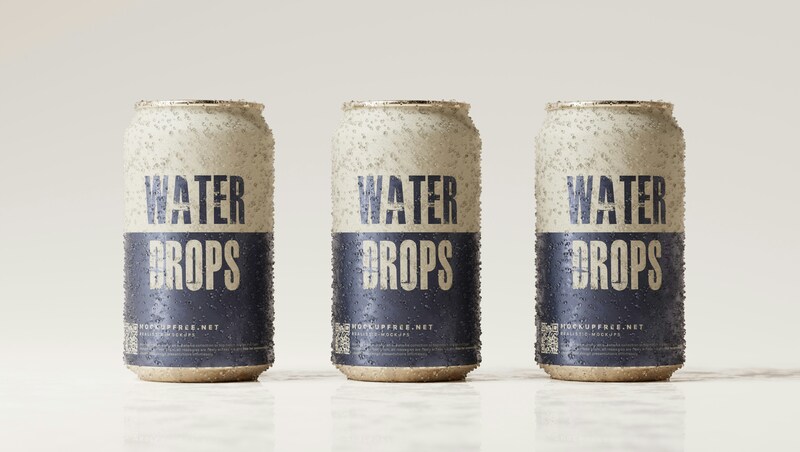
The material you select plays a major role in how well your product will be protected and perceived by customers. Here’s what to consider when choosing packaging materials:
Fragility: Products like glass bottles of bitters or skincare serums are fragile, so you need sturdy packaging materials that cushion them during transport. Glass or thick plastic might be ideal.
Light Sensitivity: Some products, like certain foods or skincare items, are sensitive to light. Packaging them in opaque materials (like tinted glass or aluminum) can help preserve their integrity.
Cost: Budget is a major factor. Glass is often more expensive than plastic, so while it might add a luxury feel, it may not always be feasible for every product.
Market Positioning: Luxury items often require premium packaging, which could mean glass bottles, fine papers, and elegant designs. On the other hand, budget products might focus on cost-effective, durable packaging.
Ultimately, the packaging needs to match both the product and the brand’s image. A mismatch between packaging and product can lead to consumer confusion or dissatisfaction.
5. How Does Packaging Design Impact Your Brand’s Market Strategy?
Packaging is more than just functional; it’s an essential part of your marketing strategy, sending messages about your brand and product.
Good packaging design grabs attention, builds your brand, and can even influence purchasing decisions.:
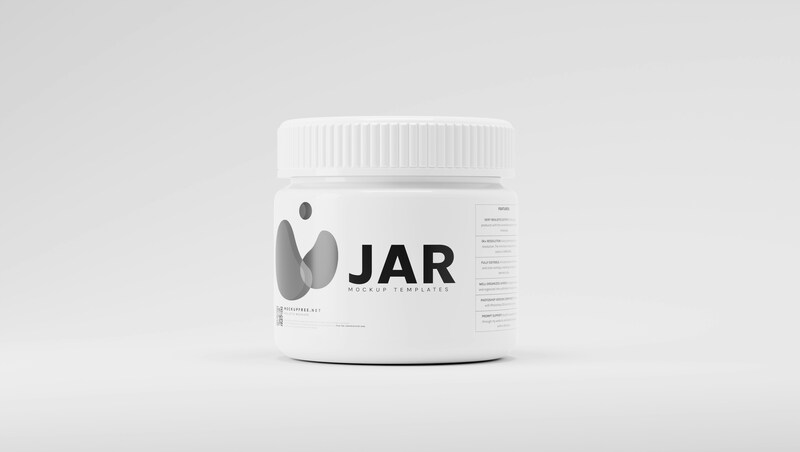
Your packaging is often the first thing a customer interacts with, and it’s essential to make that interaction count. It’s more than just a pretty face for your product; the design impacts everything from brand recognition to customer loyalty.
Brand Messaging: Your packaging should reflect your brand’s values and identity. A clean, minimalist design might suggest quality and simplicity, while bold, colorful packaging could communicate fun and excitement.
Customer Experience: Think about how the packaging feels when a customer holds it. A bottle with an ergonomic design, or a box that opens smoothly, enhances the customer’s overall experience with your brand.
Space Efficiency: Packaging design also influences how easily your product fits on shelves, in shipping containers, or in a customer’s pantry. Efficient packaging reduces storage costs and can optimize inventory management.
Cost Considerations: Good design can also help optimize costs. For example, packaging that’s easy to stack or ship reduces logistical expenses, improving overall profitability.
Effective packaging design ties directly into your brand’s story and makes the product stand out on crowded shelves. Whether you’re aiming for luxury, eco-consciousness, or fun, your packaging plays a central role in defining your market position.
Conclusion
Packaging is a powerful tool in creating your product’s first impression and long-term success. Choose wisely!
Exploring the benefits of vacuum-sealed bags can reveal how they effectively preserve food freshness and extend shelf life, crucial for both manufacturers and consumers. ↩
Discover how controlled atmosphere packaging revolutionizes food preservation, extending shelf life and reducing waste effectively. ↩
Discover the most effective materials to protect fragile items during transport, ensuring product safety and customer satisfaction. ↩
Learn about the best opaque materials to preserve the integrity of light-sensitive items, enhancing product quality and shelf life. ↩


