
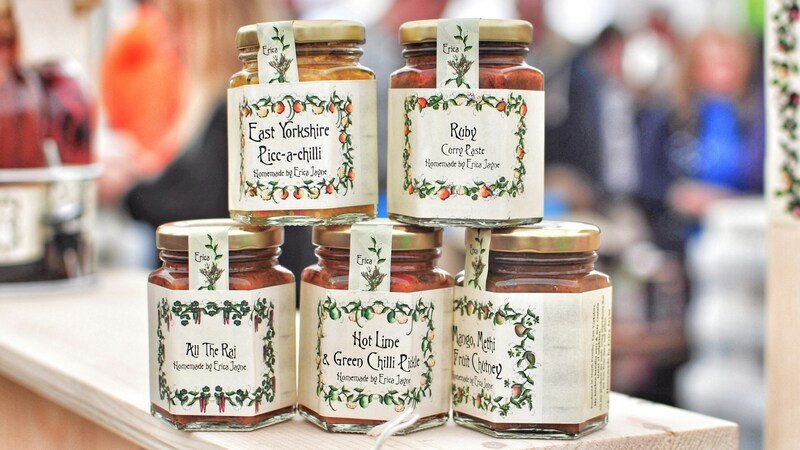
When it comes to packaging for your food and beverage brand, the choice between glass and plastic is more important than you might think.
Glass offers premium quality, freshness preservation, and sustainability, while plastic provides lightweight convenience and lower initial costs.
Let’s dive into the key differences that could shape your packaging decision.
What Are the Key Differences Between Glass and Plastic Packaging?
Glass and plastic might look similar, but they have distinct properties that can impact your product’s presentation and shelf life.
Glass is durable, transparent, and eco-friendly, while plastic is lightweight, cost-effective, and flexible for various shapes.
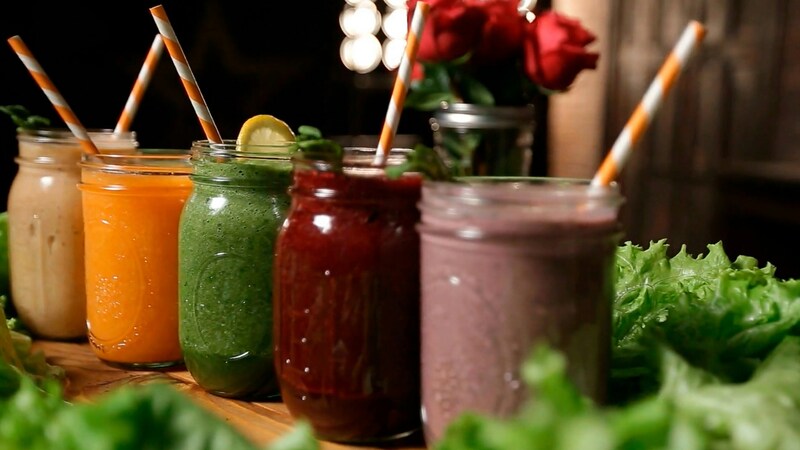
When choosing between glass and plastic packaging for your food and beverage brand, it’s essential to understand the differences in material properties. Glass is known for its transparency, which gives products a sleek and premium feel. It’s sturdy, heavy, and durable—perfect for high-end products where the appearance matters. On the flip side, plastic is lightweight, flexible, and less prone to breakage, making it ideal for mass production and products where practicality takes the lead over appearance.
Here’s a quick comparison of the two:
| Property | Glass | Plastic |
|---|---|---|
| Durability | Highly durable but heavy and breakable | Flexible, lightweight, but prone to damage |
| Transparency | Crystal clear, premium appearance | Opaque or clear, less premium look |
| Weight | Heavy, increases shipping costs | Light, reduces shipping costs |
| Aesthetic Appeal | Elegant, high-end look | More practical, less premium |
So, when you think of luxury beverages, glass might be the way to go—offering a perception of quality that consumers can feel just by holding it. Plastic, though, works better when shipping in bulk or when the packaging needs to withstand more wear and tear.
Why Should You Consider Glass Packaging for Your Food and Beverage Brand?
The choice of glass could elevate your product’s image and keep it fresh, all while benefiting the planet.
Glass keeps your products fresh longer, preserves flavor, and adds a premium touch that appeals to quality-conscious consumers.
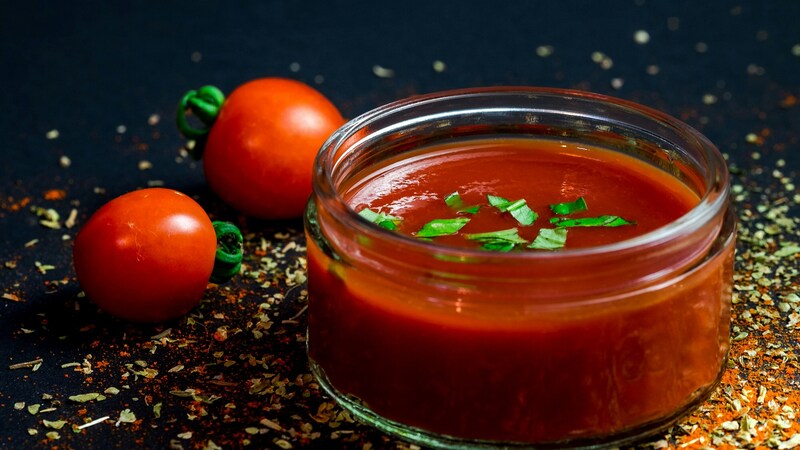
When it comes to food and beverages, glass is considered the gold standard for packaging. One of the biggest reasons brands choose glass is because it preserves the taste and freshness of products. Glass is a non-porous material, meaning it doesn't absorb flavors, odors, or chemicals like plastic can. This helps maintain the integrity of your product, especially for high-end beverages that rely on a perfect taste.
In addition to taste preservation, glass packaging is often associated with a premium quality experience. Think about it: when people hold a glass bottle, they immediately get a sense of quality, sophistication, and trust. This perception can make a huge difference in how consumers view your brand. Plus, glass is 100% recyclable, making it a more sustainable choice than plastic. Consumers are becoming more eco-conscious, and offering a product that comes in recyclable packaging could be a selling point.
But, the costs associated with glass packaging—transportation and storage—are higher, as glass is heavier than plastic. The upfront costs are also greater, but the value it adds to your brand might justify this investment.
How Does Plastic Packaging Impact the Environment Compared to Glass?
Plastic and glass are both widely used, but their environmental impact differs significantly, especially when it comes to sustainability.
Plastic’s environmental footprint is concerning due to its non-biodegradability, while glass offers a more sustainable solution in the long run.
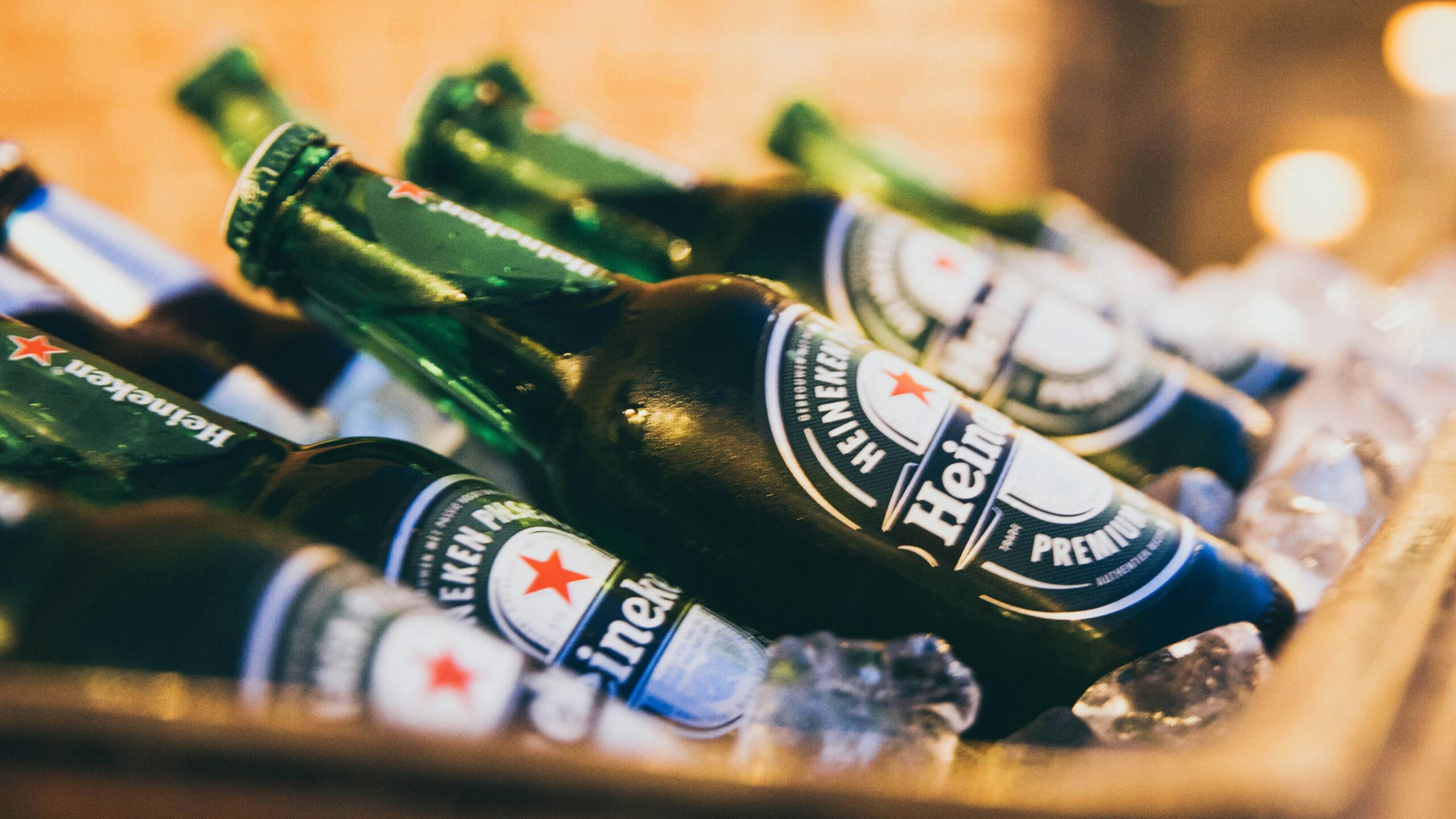
We can’t talk about packaging today without acknowledging the environmental concerns surrounding plastic. Plastic pollution is one of the most significant challenges we face, especially in the food and beverage industry. Unlike glass, plastic is not biodegradable, and it can take hundreds of years to break down in landfills. Even when recycled, the process is less efficient and can lead to the production of lower-quality plastic.
Glass, on the other hand, is infinitely recyclable without losing its quality. This means it can be reused many times over, helping to reduce waste. While the production of glass uses more energy and resources compared to plastic, the long-term environmental benefits are far greater. Glass doesn’t leach harmful chemicals into the environment, and its recyclable nature helps reduce the amount of waste that ends up in landfills or oceans.
In the eyes of eco-conscious consumers, glass packaging can give your brand a significant edge, signaling that you're a business that cares about the planet’s future.
What Are the Cost Implications of Choosing Glass Over Plastic?
While glass packaging offers many benefits, it’s essential to evaluate its cost implications to determine if it aligns with your business goals.
Glass tends to have higher production and shipping costs, but its premium image and environmental benefits could justify the expense.
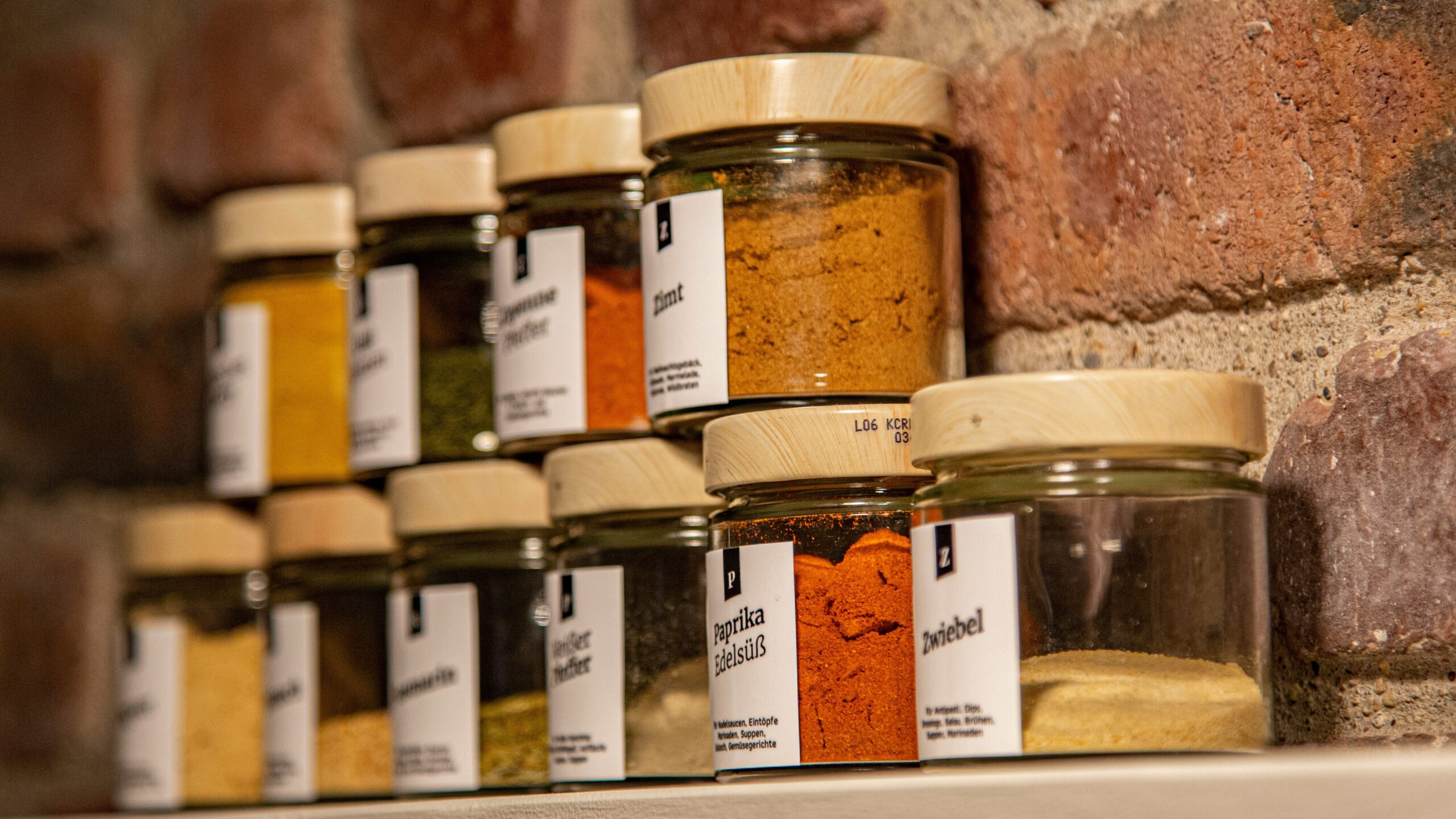
One of the most significant differences between glass and plastic packaging is the cost. Glass packaging is generally more expensive in terms of production, especially for custom designs. Its weight increases transportation costs, making it less affordable compared to lightweight plastic options. However, glass packaging can also command a higher retail price, thanks to its perceived value and quality. Consumers are often willing to pay more for a product in glass, associating it with higher quality.
Additionally, while plastic packaging can be cheaper to produce and ship, the cost of plastic pollution is something that businesses are starting to factor into their decisions. Companies that choose sustainable practices, like glass packaging, may save in the long run by appealing to environmentally conscious consumers.
Conclusion
Ultimately, the choice between glass and plastic packaging comes down to your brand’s values, target market, and product needs. Glass offers a premium feel and sustainability, while plastic is practical and cost-effective.


