

Packaging does more than just make food look good—it plays a vital role in keeping it fresh, safe, and enjoyable for longer periods.
The best packaging for extending food shelf life depends on factors like material properties, sealing effectiveness, and environmental impact. Glass packaging, due to its non-reactive nature and airtight sealing, often outperforms plastic and metal in preserving food freshness.
When it comes to keeping food fresh, not all packaging materials are created equal. Let’s break down the best options and why glass stands out.
What Types of Packaging Are Best for Keeping Food Fresh?
Different packaging materials impact food freshness in various ways. Choosing the right one can make a significant difference in shelf life and food quality.
Glass packaging is one of the best options for preserving food freshness due to its non-porous surface, chemical stability, and ability to maintain an airtight seal, preventing contamination and spoilage.
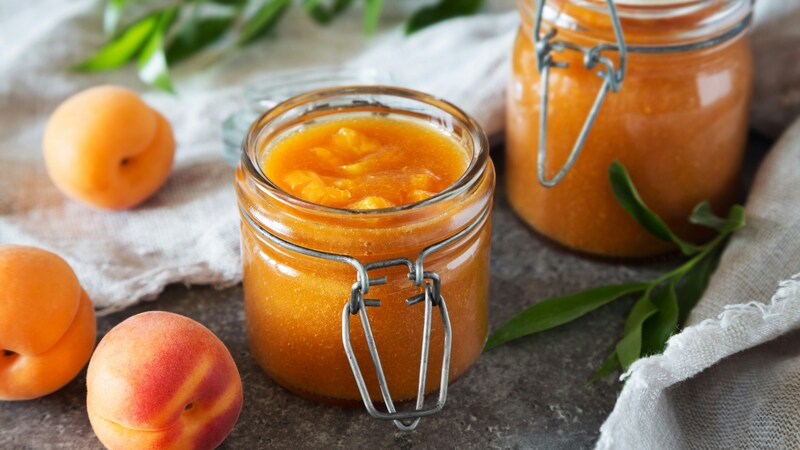
When considering packaging for food storage, manufacturers typically choose between plastic, metal, and glass. Each has its pros and cons:
| Packaging Type | Advantages | Disadvantages |
|---|---|---|
| Plastic | Lightweight, inexpensive | Can leach chemicals, not airtight, retains odors |
| Metal | Blocks light, durable | Can alter food taste, prone to corrosion |
| Glass | Non-reactive, airtight, preserves taste | Heavier, more fragile |
Glass is particularly effective for items like pickles, sauces, and dairy products, as it prevents contamination, doesn’t absorb flavors, and offers an excellent barrier against external factors.
Why Does Glass Packaging Outperform Other Materials?
Glass has been used for centuries to store food safely. But what makes it so special compared to plastic or metal?
Glass packaging excels because it is chemically inert, non-porous, and impermeable, meaning it won’t react with food, absorb odors, or leach harmful substances, ensuring maximum food preservation.
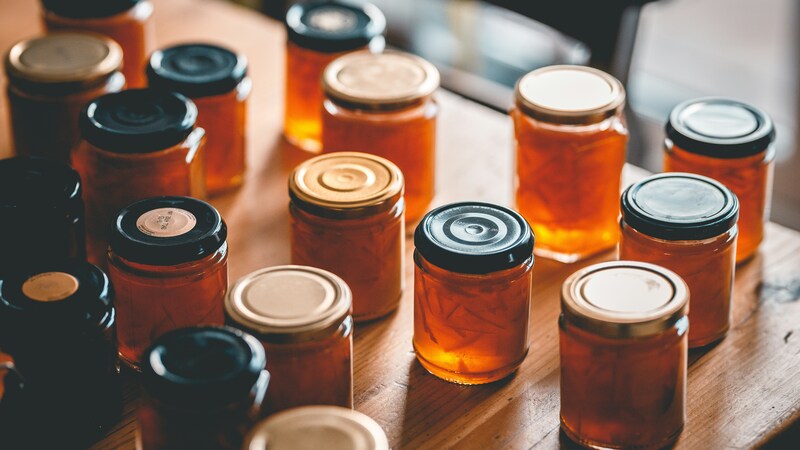
Glass containers do not degrade over time or interact with acidic or oily foods, making them ideal for products like tomato sauces, oils, and fermented foods. Unlike plastic, which can absorb smells and release microplastics, glass provides a stable and safe environment for long-term food storage.
Another advantage? Glass is reusable. While plastic deteriorates with each reuse, glass can be cleaned and repurposed indefinitely without losing its integrity.
How Does Proper Sealing Impact Food Longevity?
Sealing technology is just as important as the material itself. Even the best packaging won’t work without an airtight seal.
Airtight sealing prevents oxidation, bacterial contamination, and moisture ingress, all of which can lead to spoilage. Glass containers with proper lids provide a tight seal, significantly extending shelf life.
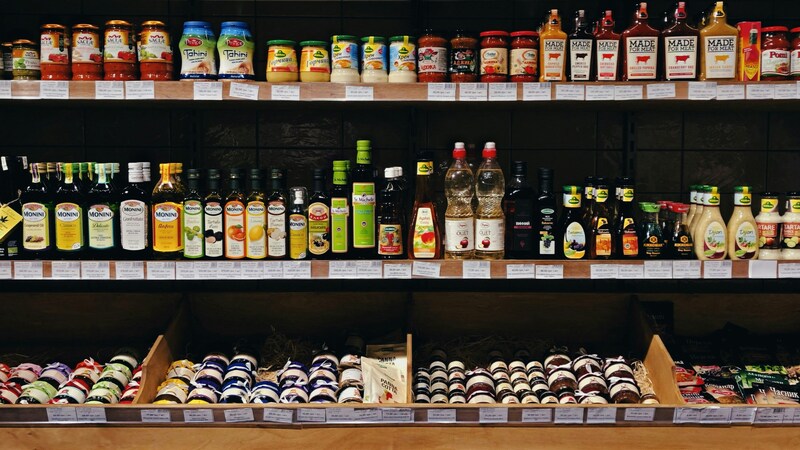
The right seal ensures that food remains as fresh as possible by:
- Blocking oxygen exposure, which slows down oxidation.
- Preventing bacteria and mold from entering.
- Maintaining humidity levels to avoid drying out or condensation.
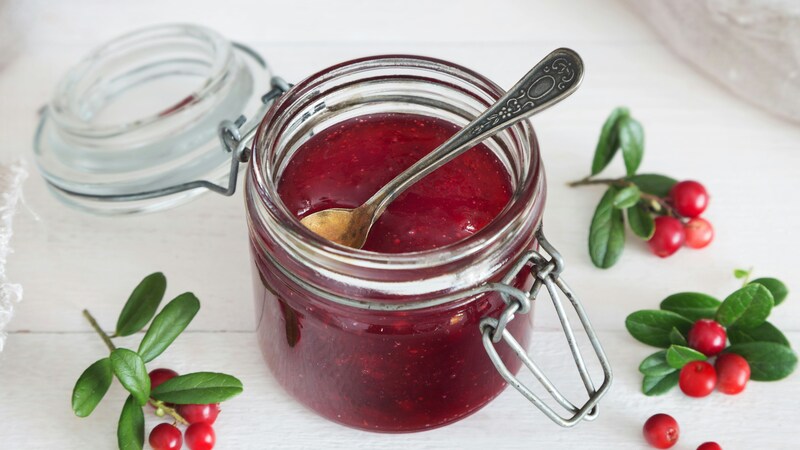
For glass packaging, using high-quality press-fit, twist-off, or vacuum-sealed lids enhances food preservation. If you’re storing homemade jams or pickles, always check that the seal “pops” when first opened—this indicates a successful vacuum seal.
What Are the Environmental Benefits of Using Glass for Food Storage?
Beyond preserving food, glass is also a more sustainable choice.
Glass is 100% recyclable, reusable, and does not release harmful chemicals into the environment, making it a superior choice over plastic for eco-conscious food storage.
| Material | Recyclability | Environmental Impact |
|---|---|---|
| Plastic | Limited, degrades over time | Produces microplastics, harmful to ecosystems |
| Metal | Recyclable but energy-intensive | Mining and production create pollution |
| Glass | Fully recyclable without quality loss | No toxins, sustainable production |
Unlike plastic, which can take hundreds of years to degrade and often ends up in landfills or oceans, glass can be recycled infinitely without losing its purity or strength. Choosing glass packaging reduces reliance on single-use plastics and minimizes overall waste.
Conclusion
Glass packaging is a smart choice for food preservation. It keeps food fresh longer, maintains taste and quality, and is environmentally friendly.
If you’re looking for high-quality glass packaging solutions, check out our range of customizable options at www.napkgs.com or contact us at nancy@napkgs.com for inquiries!


