

Hi there! If you've ever found yourself confused about the different sizes of liquor bottles and what they're best used for, you're in the right place. I'm here to break it all down for you in the simplest way possible. Whether you're a distiller, a retailer, or just someone who loves a good drink, understanding liquor bottle sizes can make a world of difference. Let's dive in!
Liquor bottle sizes matter because they affect branding, practicality, and cost. Smaller bottles work for samples and gifts, while larger ones are ideal for parties and bulk sales.
Let's go step by step and explore why size really does matter when it comes to liquor bottles.
Why Bottle Size Matters: More Than Just Volume
The size of a liquor bottle isn't just about how much liquid it holds—it's about perception, practicality, and even cost efficiency.
Liquor bottle size influences first impressions, consumer convenience, and logistics. Larger bottles suit bulk purchases, while smaller ones cater to portability and sampling.
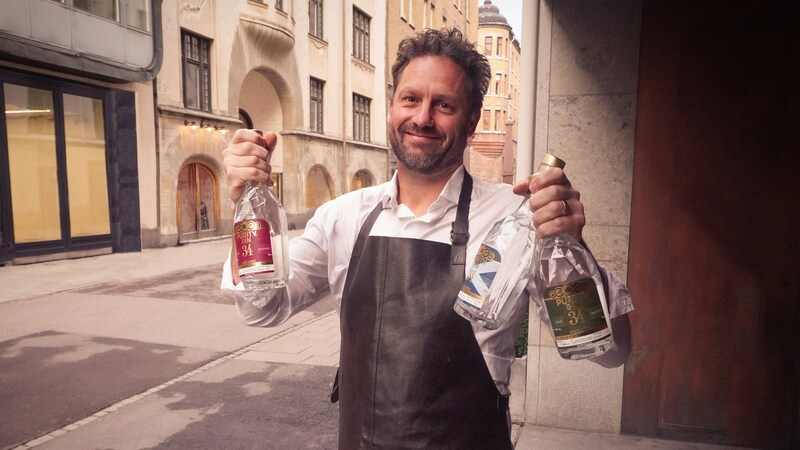
Think about it—when a customer picks up a bottle of premium whiskey, the size and shape set the tone before they even take a sip. A sleek 750ml bottle screams sophistication, while a tiny 50ml sample invites them to "just give it a try."
From a business standpoint, bottle sizes impact:
- Brand perception – Premium brands often use larger or uniquely shaped bottles to stand out.
- Practicality – A bartender handling a busy bar might prefer a 750ml or 1L bottle for easy pouring.
- Storage & shipping – Bigger bottles mean higher freight costs, while smaller bottles can boost trial sales.
Common Liquor Bottle Sizes and Their Uses
Liquor bottles come in a variety of sizes, and each serves a different purpose in the industry.
Miniature (50ml) bottles are great for samples, while standard 750ml bottles dominate retail sales. Larger sizes, like 1.5L magnums, cater to celebrations and collectors.
Here’s a breakdown of the most common sizes and where they shine:
| Bottle Size | Volume | Best Use Case |
|---|---|---|
| Miniature (50ml) | 1.7 oz | Travel-sized drinks, samples, and giveaways |
| Half Pint (200ml) | 6.8 oz | Personal servings, on-the-go cocktails |
| Pint (375ml) | 12.7 oz | Limited editions, cocktail mixers |
| Standard (750ml) | 25.4 oz | Retail sales, most common liquor size |
| Magnum (1.5L) | 50.7 oz | Special occasions, parties, bulk savings |
| Jeroboam (3L+) | 101.4 oz+ | Collectors, high-end wine and whiskey |
Choosing the Right Bottle Size for Your Product
Your ideal bottle size depends on who your customers are and what you're selling.
Different consumers prefer different bottle sizes—bars favor standard bottles, collectors seek large formats, and casual drinkers enjoy smaller options.
Here’s what to consider when selecting your ideal size:
- Who’s buying? A craft distillery may benefit from offering 50ml samplers to introduce new customers to their product. A bar, on the other hand, will likely stick to 750ml bottles for easy storage and pouring.
- What type of liquor? Premium whiskey or aged rum might call for larger, elegant bottles, while flavored vodkas often come in a variety of sizes to cater to different drinking occasions.
- Branding goals? If you want a luxury feel, go big and bold. If affordability is the goal, smaller bottles help customers commit with less hesitation.
Tips for Selecting the Perfect Liquor Bottle
With so many choices, how do you pick the right one? Here are some key factors to keep in mind:
Consider branding, pouring ease, and sustainability when choosing a liquor bottle size. A well-chosen bottle enhances both user experience and brand perception.
- Label Design: A bigger bottle gives you more space to showcase branding and tell a story.
- Pouring Convenience: Bartenders need bottles that are easy to grip and pour from.
- Eco-Friendliness: Sustainable packaging is on the rise. Choosing refillable or recyclable bottle sizes can appeal to eco-conscious consumers.
Conclusion
Understanding liquor bottle sizes is more than just knowing how much liquid they hold. It's about making informed choices that benefit your product, your customers, and your brand. I hope this guide has cleared up any confusion and given you the confidence to choose the perfect bottle size for your needs. Cheers to making better decisions and enjoying your liquor in just the right way!