
Labeling is one of those details in packaging that often goes unnoticed—until it goes wrong. A misaligned label or a bottle that just won’t cooperate with a label machine can throw off your entire production process.
How do you know if your bottles are label machine-friendly? Understanding compatibility is key to avoiding headaches down the road. In this post, I’ll walk you through everything you need to check before production begins.
Let’s break it down.
What Are Label Machines and Why Are They Important for My Bottles?
Label machines are automated systems designed to apply labels efficiently and consistently. They eliminate the inconsistencies of manual labeling, ensuring a professional finish that enhances brand image.
Label machines matter because they streamline production, reduce labor costs, and minimize labeling errors. If your bottles aren’t compatible, you risk poor adhesion, misalignment, or even machine malfunctions.
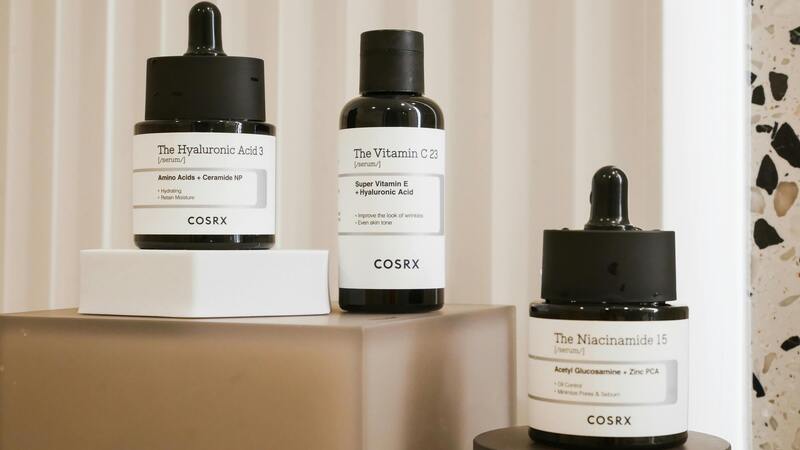
A well-matched bottle and label machine combo saves time and ensures your product always looks shelf-ready. But how do you check for compatibility?
How Can I Determine If My Bottles Are Compatible with Label Machines?
If you’re investing in automated labeling, bottle compatibility isn’t something you want to overlook. Here’s how to check:
1. Bottle Shape & Size: Some label machines struggle with uniquely shaped bottles. Cylindrical bottles are easiest to label, while irregular shapes may require specialized machines.
2. Surface Texture: Labels adhere best to smooth surfaces. If your bottles have embossing, ridges, or texture, test adhesion before committing to a design.
3. Material Matters: Glass, plastic, and metal bottles all react differently with adhesives. Some materials require special label adhesives to prevent peeling.
4. Consult the Manufacturer: Many label machine manufacturers provide guidelines on compatible bottle types. If in doubt, ask before purchasing.
What Label Sizes Can Label Machines Handle?
Not all label machines can handle every label size, so understanding their limitations is crucial.
Most machines support labels ranging from small (1-2 inches wide) to larger labels (6 inches or more). The right size depends on both the bottle shape and the machine's capabilities.
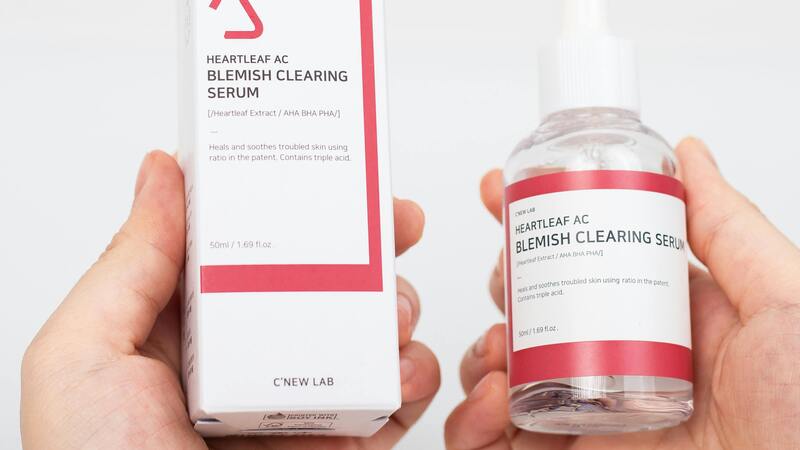
Why Label Size Matters:
- Small bottles: Need narrow labels to avoid overhang or curling.
- Wide bottles: Require larger labels that match their surface area.
- Curved bottles: May need flexible labels that adhere without wrinkling.
Check the machine's specifications to ensure it aligns with your label dimensions before ordering bulk labels.
What Common Bottle Features Affect Label Machine Compatibility?
Some bottle designs look great but aren’t label-machine friendly. Before finalizing your bottle, consider these factors:
| Feature | Impact on Labeling |
|---|---|
| Curved or Tapered Bottles | Can cause label misalignment; may require a custom solution. |
| Embossed or Textured Surfaces | Labels may not stick properly, leading to peeling or bubbling. |
| Odd Shapes (e.g., Square, Triangular) | May need a specialized labeling system for accuracy. |
| Size & Weight | Larger or heavier bottles may not fit in standard label machines. |
Bottles That Work Well With Label Machines:
- Cylindrical bottles (e.g., beer or wine bottles)
- Flat surfaces for rectangular labels
- Consistently smooth surfaces for strong adhesion
If your bottle has unique features, testing is the best way to determine if modifications are needed.
Why Should I Test My Bottles with Label Machines Before Full Production?
Skipping testing might seem like a time-saver, but it can lead to costly production delays and wasted materials.
Testing prevents errors like misaligned labels, poor adhesion, or incompatibility with your machinery. A simple sample run can save you from reprinting thousands of unusable labels.
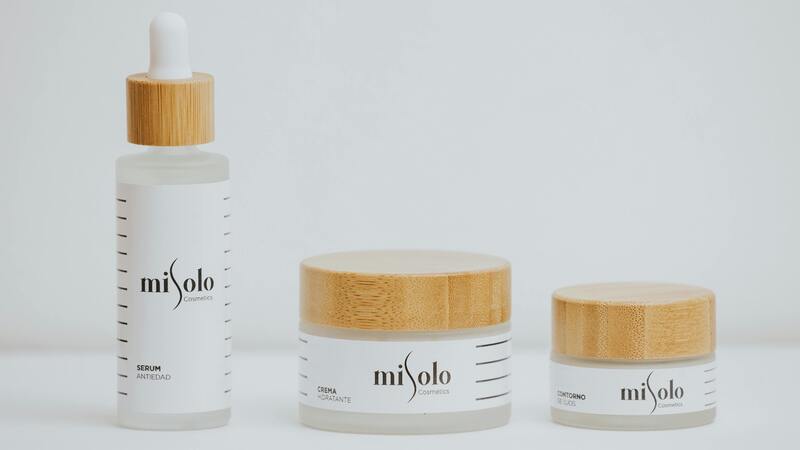
How to Test Effectively:
- Order a sample batch before committing to full-scale production.
- Run test labels on a demo unit to check alignment and adhesion.
- Get expert feedback from machine manufacturers or packaging professionals.
Taking these steps ensures your packaging meets professional standards before it hits the market.
Conclusion
Labeling might seem like a small detail, but it plays a huge role in your product’s presentation and production efficiency. Ensuring your bottles are compatible with label machines can prevent costly mistakes and guarantee a polished final product.
If you’re unsure about your bottle’s compatibility, feel free to reach out—I’m happy to help you find the right solution.