

Starting a honey business has been an exciting, personal journey filled with research, planning, and passion for natural products.
I began by understanding my local market, following legal steps, choosing the right beekeeping tools, and figuring out smart pricing. Each step built my trust with customers.
A few thoughtful steps set the stage for a sweet and successful venture.
What Do I Need to Know About the Honey Market First?
I always start by studying the local honey market, from demand to what competitors offer, to shape my unique approach.
Research local trends, analyze competitors, and define what makes your honey special.
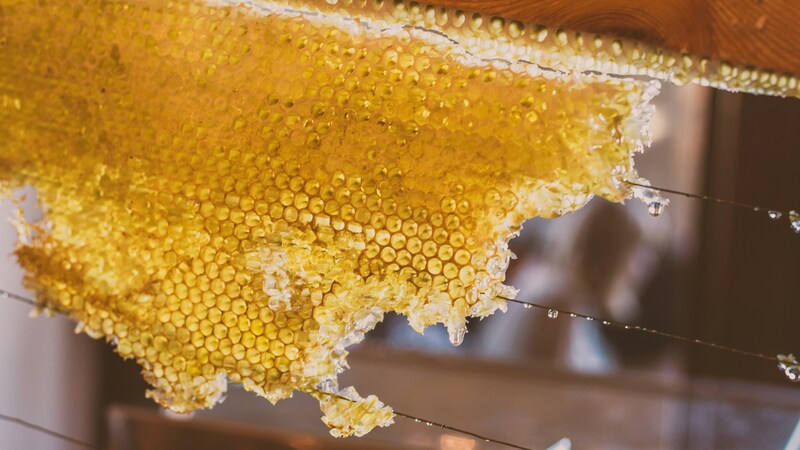
When I first thought about entering the honey market, I spent long afternoons researching who in my area loves honey and why. I discovered that local cafes, restaurants, and even small gourmet stores are keen to source high-quality, naturally produced honey. My journey began with a simple question: “Who is buying honey around me?” This led me to gather data from local markets and online reviews, and to talk to small business owners to understand their preferences.
Local Demand
I noted that many customers prefer honey that is organic and unprocessed. In my research, I learned that buyers are drawn to honey that has a story behind it—a tale of local flowers and natural production methods. This information gave me confidence that focusing on local demand would help me tailor my product.
Competitor Analysis
I compared my findings with what competitors were offering. I listed down their price points, packaging styles, and unique selling points. For example, while some competitors focused on exotic flavored honey, others stressed traditional methods. This comparison table helped me see gaps in the market:
| Factor | Details | Examples |
|---|---|---|
| Local Demand | Who buys honey locally? | Cafes, gourmet stores |
| Competitor Offers | Price, packaging, unique flavors | Organic, infused honey |
| Unique Selling Point | What sets your honey apart? | Pure, raw, artisanal |
Unique Selling Points
I then reflected on what would make my honey stand out. I decided to focus on producing raw, unfiltered honey with a unique blend of local nectar. This meant emphasizing authenticity and quality over flashy marketing. I also learned that people appreciate transparency about how honey is produced.
Over time, my detailed market study not only guided my product development but also helped me craft a story that resonated with buyers. I started small, listening to feedback and continuously adapting. I even attended local food festivals to see firsthand how customers reacted to different honey flavors. In those moments, I realized that understanding the market wasn’t just about numbers—it was about connecting with people’s tastes and preferences.
The process involved gathering customer insights, reading market reports, and even chatting with beekeepers. Each step deepened my understanding and helped me identify a niche that was both profitable and true to my values. I now know that being informed and flexible is key in a market that values tradition yet seeks innovation. This knowledge has been invaluable in shaping every decision I make for my business.
How Do I Legally Start a Honey Business?
I made sure to follow each legal step carefully, turning complex regulations into a clear, step-by-step guide for my business.
Register your business, secure licenses, and follow food safety and labeling laws step by step.
When I set out to start my honey business, one of my first priorities was ensuring everything was legal and above board. I began by registering my business with local authorities. I kept a checklist that covered each required step: business registration, obtaining a tax ID, and securing any permits related to food production. This checklist became my roadmap, and I followed it diligently to avoid any legal pitfalls.
Business Registration
I visited my local government office and gathered all the necessary forms. The process was straightforward, yet it required attention to detail. I learned that each step, from filing the registration to paying the associated fees, needed to be completed accurately to avoid delays.
Food Safety Regulations
Next, I focused on food safety. Honey, though natural, must meet strict safety standards. I took time to study the local food safety regulations, which covered everything from production practices to storage conditions. I even attended a short seminar on food safety to better understand these requirements. This step was crucial because it assured customers that my honey was produced under hygienic conditions.
Labeling Requirements
Labeling was another important area. I found that my labels needed to include key information such as the production date, ingredients, and any certifications like “organic” if applicable. I worked with a local designer to create labels that were both attractive and compliant with the regulations.
To keep track of all these legal steps, I created a table:
| Legal Step | Action Required | My Experience |
|---|---|---|
| Business Registration | File forms, pay fees | Simple and clear process |
| Food Safety Compliance | Attend seminar, follow hygiene standards | Learned essential practices |
| Labeling Guidelines | Design compliant labels | Combined creativity with compliance |
Additional Tips
I also learned that staying in touch with local business networks was incredibly helpful. Other local entrepreneurs shared their experiences, and I found that many had faced similar challenges. Through these conversations, I gained valuable tips—like keeping all documents organized and scheduling regular reviews of regulatory updates.
The journey through legal setup was not just about following rules; it was about building a foundation of trust and reliability for my brand. Each legal step reinforced my commitment to quality and safety. This meticulous approach not only safeguarded my business but also reassured my customers that I take every detail seriously. By treating these legal requirements as essential building blocks, I could focus on perfecting my product without worrying about compliance issues later on.
What Equipment Do I Need to Start Beekeeping?
Choosing the right beekeeping tools was a major part of my journey, balancing quality with a sensible budget.
Invest in essential tools like beehives, smokers, protective gear, and honey extractors that suit your budget and needs.
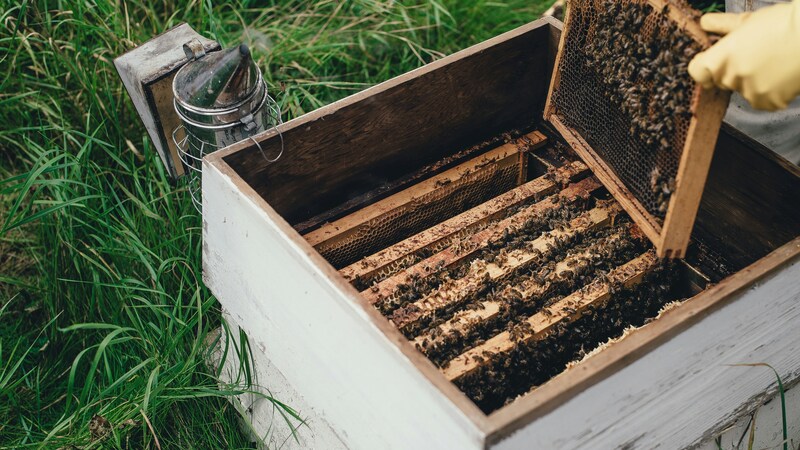
I remember the excitement mixed with a bit of nervousness when I started looking into beekeeping equipment. The range of options was vast, and I needed to make sure I chose tools that were reliable yet affordable. My first step was to list the basic equipment I needed: beehives to house my bees, a smoker to calm them during inspections, protective gear to keep me safe, and honey extractors to harvest the honey.
Basic Tools vs. Professional Options
I researched both budget-friendly and professional equipment. I discovered that while professional-grade tools could be more expensive, they often offered durability and efficiency that made them a worthwhile investment in the long run. For a beginner like me, however, starting with quality, cost-effective equipment was the smart move.
Equipment Breakdown
Here’s a quick breakdown of my essential tools:
| Equipment | Basic Option | Professional Option | Notes |
|---|---|---|---|
| Beehives | Standard Langstroth hives | Premium insulated hives | Basic is fine until scale-up |
| Smoker | Simple fuel-based smoker | Electric smoker | Safety and ease of use matter |
| Protective Gear | Basic beekeeping suit | Full-featured, ventilated suit | Comfort is key for long hours |
| Honey Extractor | Manual extractor | Electric centrifugal extractor | Efficiency improves with volume |
Personal Experience with Equipment
During my early days, I opted for basic tools to test the waters. I visited local agricultural fairs and spoke with experienced beekeepers. Their advice helped me understand the importance of each tool. I recall one beekeeping mentor saying, “Start simple, but don’t compromise on safety.” That advice guided me when I chose my protective gear and smoker.
Budget Considerations and Where to Buy
I explored local hardware stores and online marketplaces. Comparing prices and reading user reviews was essential. I even found a few stores that offered rental options for high-end extractors, which was a smart choice while I was still learning the ropes.
Long-Term Equipment Planning
As my business grew, I gradually upgraded my equipment. This evolution meant I could handle larger volumes and work more efficiently. I now keep a balance between investing in quality and maintaining a sensible budget.
Throughout this process, I learned that investing in the right tools is not just about immediate needs but about setting up for future success. Each piece of equipment played a role in ensuring the bees were well cared for and that I could produce honey safely and efficiently. I now see my equipment not just as tools, but as partners in the journey of beekeeping.
How Do I Price and Sell My Honey Products?
I found that smart pricing and a clear sales strategy are essential for turning passion into profit.
Calculate all costs, set fair prices, and explore multiple channels like farmers' markets, online stores, and local partnerships.

Pricing my honey products was a challenge at first, but it soon became clear that a careful balance between cost and value was key. I started by calculating every expense: the cost of beekeeping equipment, labor, packaging, and even marketing. This calculation helped me set a baseline price that would cover all my costs while still offering a fair profit margin.
Understanding Your Costs
I made a detailed list of expenses. For example, I included not only the cost of raw materials but also overheads like electricity for my workshop and transportation for deliveries. A clear picture of these costs made it easier to set a price that was both competitive and sustainable.
Sales Channels and Their Impact
Next, I explored various sales channels. Farmers' markets were a natural choice, as they allowed me to interact directly with customers. I also set up an online store to reach a broader audience. Partnering with local cafes and grocery stores helped me diversify my revenue streams. Each channel had its own pricing strategy; for instance, direct sales at markets often allowed for a slightly lower price due to minimal overhead, while online sales required factoring in shipping costs.
| Sales Channel | Key Considerations | Pricing Strategy |
|---|---|---|
| Farmers' Markets | Direct customer interaction, lower overhead | Competitive, local market price |
| Online Stores | Shipping, digital marketing costs | Slightly higher for convenience |
| Local Partnerships | Bulk orders, steady demand | Volume discounts, regular orders |
Personal Insights on Pricing
I remember spending evenings tweaking my price list based on customer feedback. Some buyers loved the natural taste of my honey so much they were willing to pay a bit more, while others were more price-sensitive. This real-time feedback was invaluable, and I made adjustments as needed.
Marketing and Sales Strategies
Marketing played a huge role too. I used social media to share my beekeeping journey, which helped build a personal connection with my customers. I also offered small tasting sessions at local events, which boosted both sales and word-of-mouth referrals.
My pricing strategy evolved from a simple cost-plus model to a more dynamic approach. I began to consider factors like seasonal demand and special batches of honey from rare blossoms. This flexibility allowed me to stay competitive in both local and online markets.
The process was a learning curve, but every challenge taught me more about balancing quality with affordability. Ultimately, clear pricing and diverse sales strategies not only helped me grow my business but also ensured that my customers felt they were getting genuine value for their money.
How Do I Build Trust with Customers?
I believe that honesty and transparency build the strongest bonds with my customers.
Share your personal story, showcase your process on social media, and offer free samples to connect and build customer trust.
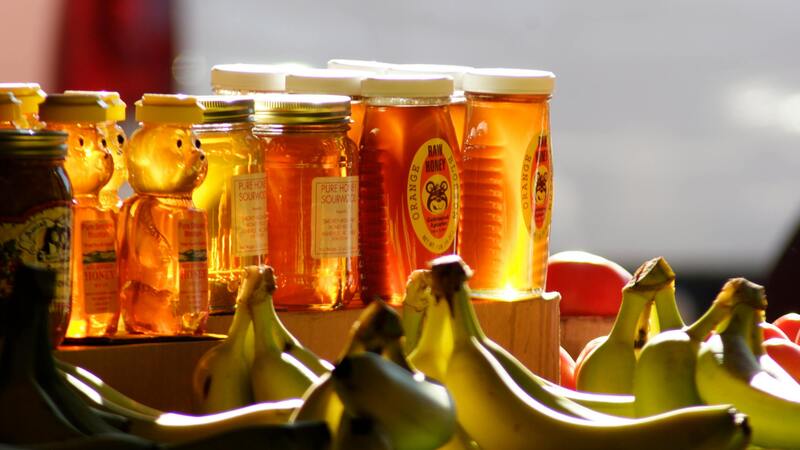
Building trust has always been at the heart of my honey business. I started by sharing my personal journey—why I chose to work with bees and produce natural honey. I realized early on that customers are not just buying a product; they are buying into a story, into a vision of care and authenticity. I began sharing my day-to-day experiences through social media, posting photos of my beehives, and even short videos of the extraction process. This openness helped me connect with my audience on a personal level.
Storytelling and Transparency
I remember my first online post—it was raw, simple, and honest. I talked about my early struggles, the long hours, and the joy of my first successful harvest. That post resonated with many people because it felt genuine. I now make it a point to update my customers regularly, not just about new products, but about challenges and lessons learned along the way.
Interactive Engagement
Offering free samples and hosting small workshops has also been a game changer. At local farmers' markets, I set up tasting booths where people could try my honey and ask questions. I listened carefully to their feedback and made sure to explain every step of my process. This interactive approach not only educated my customers but also showed them that I care about quality and their satisfaction.
Consistency and Quality
I also ensure that every jar of honey reflects the quality and care I put into it. Consistency is key. I always use the same strict standards for production, which helps build long-term trust. I’ve created a table to summarize my trust-building strategies:
| Trust Factor | My Approach | Customer Benefit |
|---|---|---|
| Personal Storytelling | Share real experiences and behind-the-scenes | Relatability and emotional connection |
| Transparency | Open updates on production and challenges | Confidence in product quality |
| Direct Engagement | Free samples and workshops | Hands-on experience and education |
| Consistency | Strict quality control for every batch | Reliable, high-quality product |
Final Tips and Continuous Improvement
I always remind myself to start small, gather honest feedback, and celebrate every small win—like my very first sale. I believe that every piece of positive feedback is a stepping stone towards building a lasting relationship with my customers.
Every interaction, whether in person or online, is an opportunity to show my passion and commitment. I strive to be approachable and to treat every customer like a friend. This personal touch has helped me build a loyal customer base, and I continue to refine my approach as my business grows. By staying true to my values and focusing on genuine interactions, I have managed to build trust that goes beyond simple transactions—it’s a bond rooted in shared values and mutual respect.
Conclusion
My journey in the honey business is a blend of passion, careful planning, and genuine connections. Every step, from market research to building trust, is a story worth sharing.