

Starting a perfume business is thrilling and a bit daunting. I remember my first steps clearly, learning as I went.
Choose your niche, test small batches, and invest in quality packaging to create a signature scent that truly stands out.
Let’s break down each step together.
What Type of Perfume Should I Create?
I often get asked about choosing a perfume type. It starts with finding your unique scent identity.
Define your market niche: luxury, natural, or budget-friendly. Experiment with small batches and perfect your signature blend.
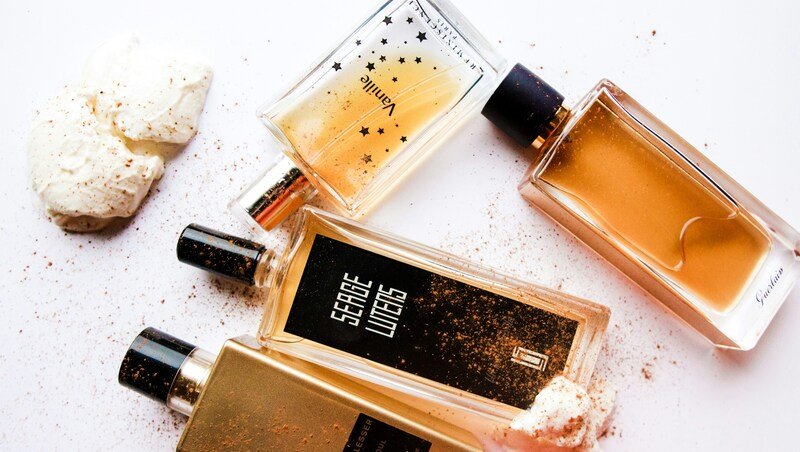
When I first dipped my toes into the world of perfume, I was overwhelmed by the endless possibilities. I quickly learned that the journey begins with understanding your own taste and that of your potential customers. For me, it wasn’t just about blending oils—it was about crafting a story in every bottle. Whether you lean towards luxurious, intricate scents, natural and organic aromas, or affordable everyday fragrances, the secret is to find what resonates with you and your audience.
Exploring Your Options
I spent many evenings experimenting with different scent families: floral, woody, spicy, and fresh. I jotted down ideas, created small test batches, and asked for honest feedback from friends and mentors. This hands-on approach helped me identify which ingredients worked best together and which combinations truly evoked an emotion.
Testing and Refinement
Starting small is key. I began with limited releases to gauge reactions. This not only saved money but also allowed me to fine-tune my formulas. I kept detailed notes on the oil-to-alcohol ratios, the balance of top, middle, and base notes, and even the environmental conditions affecting each batch.
Below is a table that helped me compare different perfume types:
| Category | Characteristics | Key Ingredients | Target Market | Pricing |
|---|---|---|---|---|
| Luxury | Opulent, complex blends | Rare essential oils, premium alcohol | High-end consumers | Premium |
| Natural/Organic | Clean, eco-friendly, light scents | Natural extracts, organic alcohol | Eco-conscious buyers | Mid-range |
| Budget-Friendly | Simple, accessible aromas | Common fragrance oils, standard alcohol | Value seekers | Economy |
Personal Insights
I recall the excitement and anxiety of that first test batch. It was a rollercoaster of emotions—each mistake taught me something new. I learned that every great scent starts with passion and perseverance. Remember, your perfume should reflect who you are, so let your creativity flow and don’t be afraid to experiment. Over time, each trial brought me closer to a blend that felt truly “me.” This journey is personal, and every step you take adds to your unique story.
Why Is Packaging So Important for My Perfume Brand?
I learned that packaging is the silent ambassador of your perfume. It reflects quality and captivates customers instantly.
Elegant glass bottles protect your fragrance and elevate your brand, making first impressions count.

When I started my journey, I quickly discovered that the look and feel of your perfume bottle can be as memorable as the scent itself. Packaging is more than just a container; it’s the first interaction your customer has with your product. A beautifully designed bottle can convey luxury, trust, and the story behind your fragrance before a single spray.
The Role of Aesthetics
I remember browsing through countless design ideas, trying to find that perfect balance between functionality and beauty. For me, glass bottles were the natural choice. They not only protect the delicate oils from harmful light and temperature but also exude an air of sophistication. The transparency of glass allows the color and texture of your perfume to shine, adding to its allure.
Practical Considerations
While aesthetics matter, practicality is equally crucial. I learned that every material has its strengths and weaknesses. Below is a comparison that helped me decide:
| Material | Advantages | Disadvantages |
|---|---|---|
| Glass | Premium look, protects fragrance well | Fragile, heavier to transport |
| Plastic | Lightweight, cost-effective | Can absorb scents, less premium feel |
| Aluminum | Durable, recyclable | Limited in design customization |
Choosing the right packaging means considering your brand’s identity and the message you want to send. I often debated between the durability of plastic and the premium feel of glass. Ultimately, I chose glass because it aligned perfectly with my vision of quality. The tactile experience of holding a well-crafted bottle adds emotional value, making customers feel special.
Customization and Branding
Another key insight was customization. Offering personalized designs or unique shapes can set you apart in a crowded market. I explored options for custom printing, engraving, and even unique cap designs. These small details, when done right, enhance brand loyalty and create a lasting impression.
In my experience, investing in good packaging isn’t just an expense—it’s an investment in your brand’s future. It tells your customers that you care about every detail, from the scent to the final presentation.
How Do I Legally Register My Perfume Business?
Navigating legal requirements can be complex. I tackled licenses, safety standards, and clear labeling to set a firm foundation for my business.
Ensure compliance with local regulations and industry standards to build trust and protect your brand.

Registering a perfume business was one of the more intimidating tasks I faced. The maze of legal requirements—from licenses to safety regulations—can seem endless. I began by researching local laws and industry guidelines to ensure that every step I took was compliant and secure.
Understanding Regulations
The first step was obtaining the proper business licenses. This involved contacting local authorities and understanding the specific requirements for manufacturing cosmetics and chemical products. I had to provide detailed information about my production methods and safety protocols. Each region has its own set of rules, so personal research and sometimes professional legal advice became essential.
Meeting Safety Standards
Safety isn’t just about following the law; it’s about building customer trust. I adhered to IFRA standards, which ensure that all ingredients are safe for use. Testing each batch of perfume against these standards was not only a regulatory requirement but also a commitment to quality. I kept meticulous records and certificates that demonstrated my compliance.
Below is a table that outlines some key legal requirements:
| Requirement | Details | Considerations |
|---|---|---|
| Business License | Register with local authorities | Varies by region |
| Safety Standards | Comply with IFRA and other industry guidelines | Essential for customer confidence |
| Labeling Compliance | Include ingredient lists, volume, and origin | Mandatory for cosmetics and chemical products |
Labeling and Transparency
Accurate labeling is crucial. I made sure every bottle had clear information on ingredients, volume, and manufacturer details. This transparency not only fulfills legal requirements but also reassures customers about the quality of your product. I often revised my labels based on feedback, always aiming for clarity and honesty.
Seeking Professional Advice
While I handled many steps on my own, I eventually consulted with experts to double-check compliance. Their insights were invaluable, especially when regulations changed or when I expanded into new markets. Legal registration might seem like a bureaucratic hurdle, but it’s a vital part of building a reputable business.
By taking these steps, I felt more confident and secure in my business operations. It also set a strong foundation for growth, ensuring that my brand was both trusted and respected in a competitive market.
How Do I Source Perfume Oil and Packaging Materials?
Sourcing quality ingredients and packaging is key. I found that trusted suppliers and bulk buying strategies make all the difference.
Opt for certified perfume oils and premium glass bottles to ensure quality and consistency in your brand's experience.
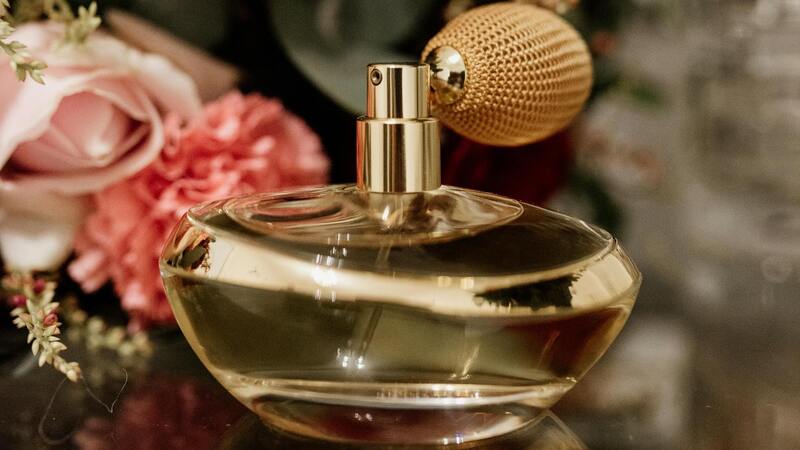
Sourcing the right materials was one of the most critical parts of building my perfume business. Early on, I learned that quality ingredients and packaging materials not only enhance the final product but also define your brand’s reputation. The process involved thorough research, testing, and building relationships with reliable suppliers.
Finding Reliable Suppliers
I began by looking for suppliers who offered certifications like IFRA and ISO. These certifications served as a mark of quality and safety, which is non-negotiable in the fragrance industry. I requested small sample batches before committing to large orders to ensure that the oils maintained their aroma and potency over time. Building trust with suppliers is a gradual process that paid off significantly in the long run.
Customization and Brand Identity
For packaging, I focused on premium glass bottles. Glass not only preserves the fragrance but also provides a sophisticated look that aligns with my brand. I explored various customization options—from unique shapes and colors to personalized logos. This allowed me to create packaging that was both functional and reflective of my brand’s personality.
Below is a table summarizing key factors I considered when selecting suppliers:
| Supplier Aspect | What to Look For | Why It Matters |
|---|---|---|
| Certifications | IFRA, ISO, and quality seals | Ensures high-quality, safe ingredients |
| Sample Batches | Availability for testing | Minimizes risk before bulk purchase |
| Customization | Options for unique packaging designs | Enhances brand identity and appeal |
Bulk Buying and Negotiation
Negotiating bulk orders was another strategy that helped me manage costs without compromising quality. I learned to balance order size with storage capacity and cash flow needs. Bulk buying not only reduces unit costs but also builds a stronger relationship with your suppliers, often leading to additional benefits like priority shipping or exclusive designs.
Personal Experience and Tips
I vividly remember the thrill of receiving my first bulk order of perfume oils and glass bottles. It felt like a milestone in my business journey. Every detail—from the quality of the oils to the precision of the bottle design—played a part in building trust with my customers. I also found that clear communication with suppliers and a willingness to negotiate helped secure better deals and higher quality materials.
Final Thoughts on Sourcing
In sourcing both perfume oils and packaging materials, patience and persistence are key. Testing samples, comparing suppliers, and gradually scaling up your orders can save you from costly mistakes. The extra time invested in this stage has proven invaluable, as it sets the tone for your entire product line and brand reputation.
Conclusion
I believe passion, quality, and smart strategies build a perfume business. At Navig by Hubei Navig Packaging Co., Ltd., I’m here to support you with real insights and creative solutions.