

Storing glass bottles properly before filling isn’t just a minor detail—it’s crucial. Poor storage can lead to contamination, breakage, and compromised product quality, which no one wants.
Glass bottles should be stored in a clean, temperature-controlled environment away from direct sunlight and contaminants. Proper storage prevents damage, maintains hygiene, and ensures bottles are ready for safe filling.
Let’s break it down step by step.
Why Is Proper Storage of Glass Bottles Important Before Filling?
Glass bottles are delicate and highly susceptible to environmental factors. If stored improperly, they can collect dust, absorb odors, or even develop micro-cracks that lead to breakage.
Proper storage ensures bottles remain intact, clean, and free from contamination, preserving the quality of the final product.
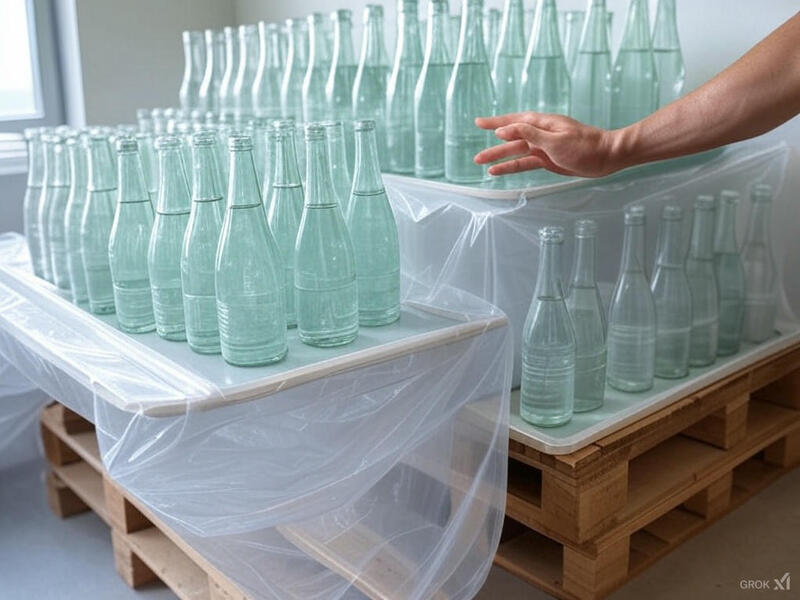
Risks of Improper Storage
- Contamination – Dust, bacteria, and moisture can find their way inside improperly stored bottles.
- Breakage – Glass is fragile. Stacking bottles improperly or exposing them to temperature fluctuations can lead to cracks.
- Quality Degradation – Prolonged exposure to sunlight and humidity can affect the integrity of the glass.
By following the right storage methods, you protect your investment and guarantee a seamless filling process.
What Are the Best Conditions for Storing Glass Bottles?
Environmental conditions play a massive role in how well your glass bottles hold up before filling.
Glass bottles should be stored in a cool, dry area with minimal temperature fluctuations, ideally between 15-25°C (59-77°F), with humidity below 50%.
Ideal Storage Conditions
| Factor | Ideal Condition |
|---|---|
| Temperature | 15-25°C (59-77°F) |
| Humidity | Below 50% |
| Light Exposure | Minimal, avoid direct sunlight |
| Air Quality | Clean, dust-free, no strong odors |
Where to Store Glass Bottles?
- Climate-controlled storage rooms – Prevents excessive humidity and temperature swings.
- Sealed boxes or shrink wrap – Shields bottles from dust and airborne contaminants.
- Racks with dividers – Avoids unnecessary contact between bottles, reducing the risk of chipping.
How Can I Prevent Contamination in Glass Bottles During Storage?
Contamination is a nightmare, especially in industries like food, beverage, and pharmaceuticals, where hygiene is non-negotiable.
Store glass bottles in sealed packaging, regularly clean storage areas, and avoid exposure to open air to prevent contamination.
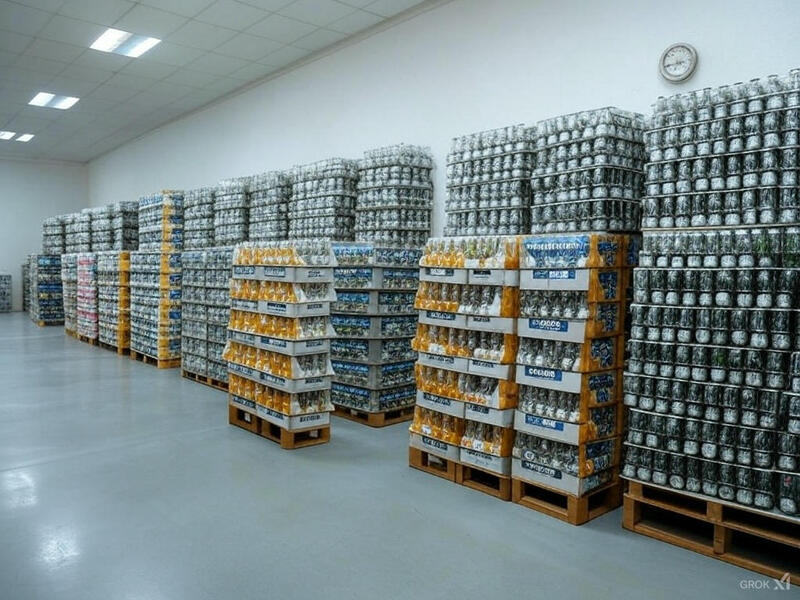
Best Practices for Contamination Prevention
- Use Protective Covers – Keep bottles in sealed plastic bags or cartons to minimize exposure.
- Maintain a Clean Storage Area – Regularly clean and sanitize the space to prevent dust buildup.
- Handle Bottles with Care – Use gloves when moving or inspecting bottles to avoid introducing oils or debris.
A proactive approach to cleanliness keeps your bottles—and your final product—safe.
What Steps Should I Take to Prepare Glass Bottles for Filling?
Even with perfect storage, bottles need a final check before filling.
Before filling, inspect for damage, rinse thoroughly with filtered air or water, and sterilize if necessary to ensure product safety.
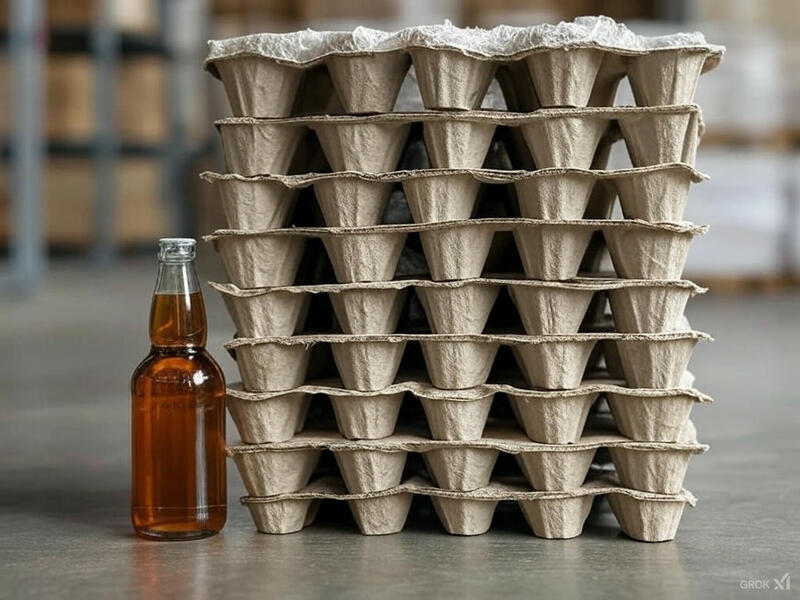
Step-by-Step Bottle Preparation
- Visual Inspection – Check for cracks, chips, or defects.
- Air Rinse or Wash – Remove any dust or residues with filtered air or a sterilized rinse.
- Sterilization – Depending on your product, consider steam or UV sterilization.
- Drying & Final Check – Ensure bottles are completely dry and ready for use.
A thorough preparation process guarantees that your bottles are not just clean but also structurally sound.
Conclusion
Proper storage and preparation of glass bottles are essential for maintaining product integrity. Keeping bottles in a clean, temperature-controlled environment and following strict handling procedures prevents contamination and breakage.
Want expert advice on glass packaging solutions? Feel free to reach out—I’d be happy to help!